Best Prepared Meal Delivery for Weight Loss Beginners
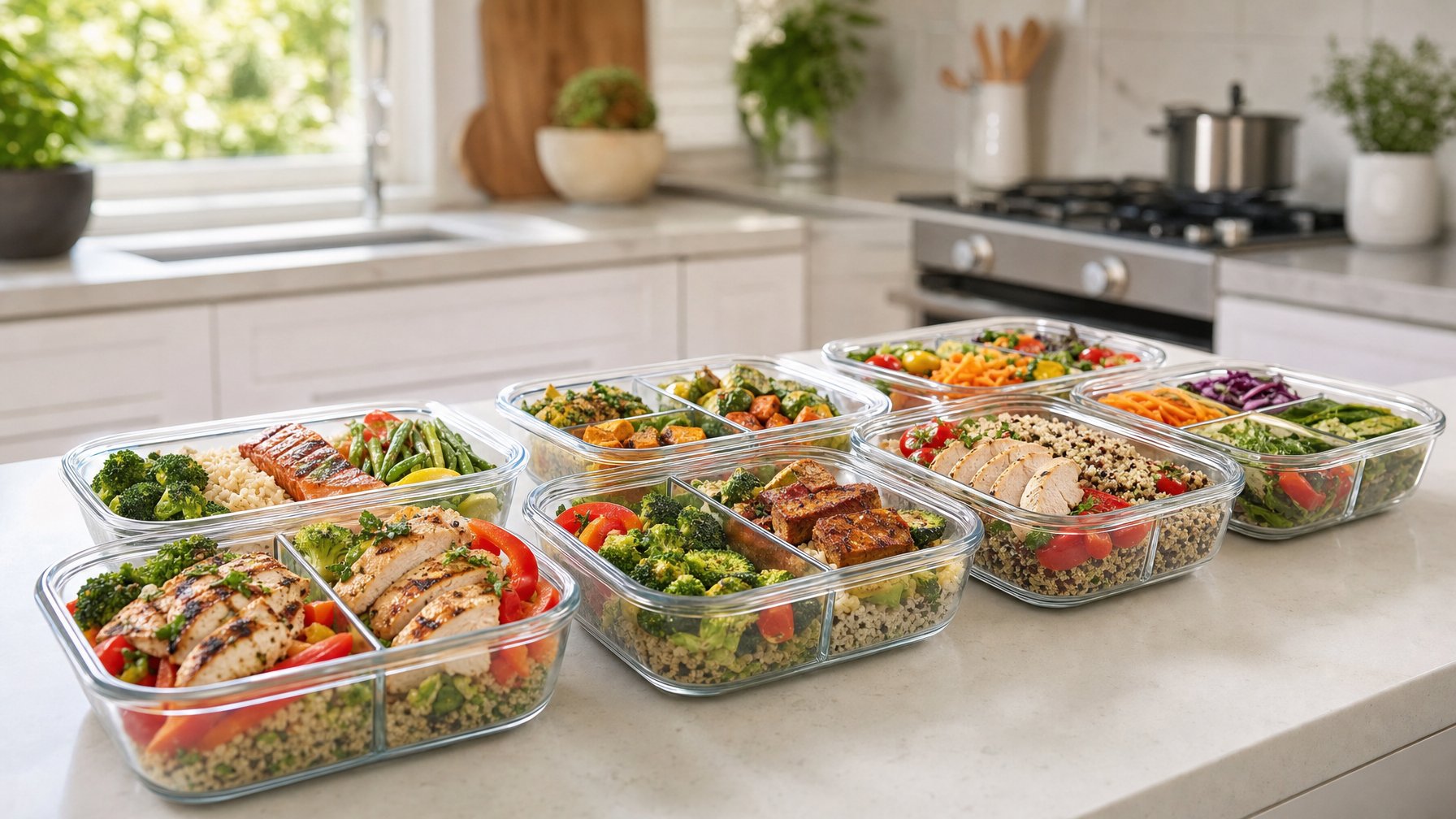
Prepared meal delivery removes the two steps that most often derail a new eating plan: deciding what to cook and measuring how much of it lands on the plate. Ready-made meals arrive with calories and macros already printed on the label, which turns portion control into a packaging decision instead of a nightly negotiation.
That structure matters more for beginners than menu variety or premium ingredients. A calorie-controlled meal that gets eaten five nights a week does more for weight management than a perfectly optimised plan abandoned by day four. Research cited by dietitians in a review of 18 weight loss meal delivery services found that meal planning makes consistent diet adherence more likely, which is the mechanism these services are selling.
Australia's healthy meal delivery market splits into a few clear camps: full-day plans that cover breakfast through dinner, high-protein fitness ranges built around published macros, plant-based menus, and cook-at-home meal kits that trade convenience for lower cost. Choosing well means matching the format to a routine that already exists, then checking the nutrition panel.
Anyone with a medical condition, a history of disordered eating, or a prescription that interacts with diet should run a new eating plan past a GP or Accredited Practising Dietitian before subscribing.
Key Takeaways
- Portion-controlled, calorie-counted meals work because they make a modest calorie deficit easy to repeat, not because of any single ingredient.
- Full-day plans, macro-focused fitness ranges, plant-based menus, and meal kits each suit a different level of cooking effort and budget.
- Compare published protein, fibre, and sodium per serve alongside delivery cost and subscription flexibility before committing to a plan.
What Makes a Prepared Meal Service Useful for Weight Loss?
A prepared meal service supports weight loss by fixing portion size and calorie content before the food reaches the kitchen. Everything else, chef credentials, ingredient sourcing, sauce quality, affects whether the meals get eaten, which is the second half of the equation.
Prepared Meals vs. Meal Kits: Which Removes More Guesswork?
Ready-to-eat meals remove more variables. Heat-and-eat meals arrive cooked and portioned, so the calorie figure on the sleeve is the calorie figure consumed.
Meal kits send pre-measured ingredients with a recipe, which still leaves room for a generous glug of oil, an extra handful of cheese, or a second serve. Kits teach cooking skills and cost less per serve; chef-prepared meals deliver tighter accuracy on the numbers.
For someone tracking intake for the first time, that accuracy is worth paying for over the first month or two.
How Portion Control and a Calorie Deficit Work Together
Weight loss requires eating fewer calories than the body uses, and portion-controlled meals make that arithmetic predictable. A dinner in the 350 to 500 calorie range leaves room for breakfast, lunch, and a snack inside most adults' targets.
Prepared meal ranges built for weight loss cluster around this band. Chef-prepared low-calorie lines sit at around 550 calories per serve, while tested weight loss services span roughly 340 to 800 calories with 30 to 40g of protein per meal.
Meals under 400 calories suit lighter lunches. Larger, more active bodies often lose weight steadily on the higher end of that range.
Why Protein, Fibre, and Balanced Nutrition Matter
Protein and fibre drive satiety, which is what keeps a calorie deficit tolerable past week two. Lean proteins preserve muscle during fat loss; vegetables and legumes add volume and fibre for very few calories.
A well-built weight loss meal pairs 25 to 40g of protein with a substantial vegetable component and a measured serve of carbohydrate. Meals that hit the calorie target using mostly refined carbohydrate leave hunger unresolved by mid-afternoon.
Published nutritional information makes this checkable. Services that print macros per serve let buyers filter for high-protein options directly.
When Convenience Helps Reduce Decision Fatigue
Decision fatigue explains why plans collapse at 6pm rather than at breakfast. Removing the nightly "what's for dinner" question preserves willpower for the choices that still need making, such as portion size at a restaurant or whether to add a second glass of wine.
Full-day meal plans push this further by pre-deciding breakfast, lunch, dinner, and snacks. That level of structure suits beginners, though it also limits social eating and can feel restrictive after several weeks.
Prepared Meal Services Worth Comparing by Goal
Australia's weight loss meal delivery market is best navigated by goal: structured full-day plans, macro-tracked fitness ranges, plant-based menus, flexible fresh or frozen orders, and lower-cost cook-at-home kits. The comparison below sets out the practical differences before the goal-by-goal detail.
| Full-day plans | High-protein ranges | Plant-based | Fresh/frozen singles | Meal kits | |
|---|---|---|---|---|---|
| Example brands | Lite n' Easy, Chefgood | My Muscle Chef, MACROS, THR1VE | Soulara | Dineamic, Dietlicious, CORE Powerfoods | Dinnerly, EveryPlate, HelloFresh, Marley Spoon |
| Cooking required | None | None | None | None | 20-40 min |
| Macros published | Yes | Yes, per serve | Yes | Yes | Per recipe |
| Portion accuracy | High | High | High | High | Moderate |
| Cost per serve | Highest | High | High | Mid to high | Lowest |
| Best for | Beginners wanting total structure | Body recomposition | Vegan and vegetarian eaters | Ordering around a routine | Tight budgets |
Best for Structured Full-Day Plans: Lite n' Easy and Chefgood
Full-day plans suit people who want every eating decision made in advance. Lite n' Easy's calorie-based plans cover breakfast, lunch, dinner, and snacks at set daily calorie levels, which removes the need to calculate anything.
Chefgood offers dietitian-designed meals with weight loss bundles and published nutritionals, plus more control over which meals appear each week. Both include support-at-home style convenience for people managing limited mobility or a heavy work schedule.
The trade-off is cost per day and reduced flexibility for meals out.
Best for High-Protein and Macro Tracking: My Muscle Chef, MACROS, and THR1VE
Fitness-oriented ranges publish protein, carbohydrate, and fat per serve, which makes them the practical choice for anyone logging macros. My Muscle Chef lists macro-counted meals across weight loss and muscle-gain lines, with high-protein options built around chicken, beef, and fish.
MACROS and THR1VE serve a similar audience with workout meals and athletes' nutrition positioning. Core Powerfoods and Macrofoodz cover the same territory in frozen format, often at larger portion sizes suited to training days.
Body recomposition, holding muscle while losing fat, is easier when protein lands consistently above 30g per main meal.
Best for Plant-Based Eating: Soulara and Vegan-Friendly Alternatives
Soulara is Australia's most established plant-based prepared meal service, with vegan meals built on tofu, legumes, and vegetables. A 2024 review referenced in testing of plant-based delivery options supports plant-based diets as an effective approach to weight loss and long-term health.
Vegetarian meals from mixed-menu services widen the choice. The nutrition check for plant-based weight loss is protein: aim for meals listing 20g or more per serve, since some vegetable-heavy dishes fall well short.
Best for Flexible Fresh or Frozen Orders: Dineamic, Dietlicious, and CORE Powerfoods
These services suit buyers who want to order meals as needed instead of committing to a fixed weekly plan. Dineamic and Dietlicious focus on fresh, preservative-free meals with published nutritionals and short shelf lives.
CORE Powerfoods delivers snap-frozen meals that keep for months, which suits irregular schedules and reduces food waste. Frozen ranges also make it easy to keep a few compliant dinners on hand for nights when cooking falls through.
Budget and Cook-at-Home Alternatives: Youfoodz, Dinnerly, EveryPlate, HelloFresh, and Marley Spoon
Meal kits cut the cost per serve substantially in exchange for 20 to 40 minutes of cooking. Dinnerly and EveryPlate sit at the budget end; HelloFresh and Marley Spoon offer more variety and recipe filtering.
Youfoodz bridges both camps with ready-made meals at supermarket-adjacent prices and clear nutrition panels. Kit users who want weight loss results should choose recipes with calorie counts printed, weigh added oils, and resist scaling up the carbohydrate component.
Be Fit Food, Bondi Meal Prep, The Dinner Ladies, Activate Foods, and Gourmet Dinner Service round out the market for buyers wanting regional or specialty options.
How to Choose a Plan You Can Keep Using
Adherence over eight to twelve weeks determines results, so the selection criteria should weight cost, delivery reliability, and menu variety alongside the nutrition panel. Calorie targets, macro comparison, storage format, delivery pricing by state, and subscription terms all feed into whether a plan survives past the introductory discount.
How Many Calories and Meals Do You Actually Need?
Most adults aiming for gradual weight loss land somewhere between 1,200 and 1,800 calories a day, and a GP or dietitian can set a figure based on height, weight, activity, and medical history. Work out that daily number first, then decide how many delivered meals fit inside it.
A common beginner setup is five dinners plus a few lunches, leaving breakfast and weekends self-catered. Full-day plans cover 21 meals a week and suit people who find partial structure too easy to abandon.
Blood sugar management adds another layer; anyone on glucose-lowering medication should coordinate calorie changes with their prescriber.
How to Compare Protein, Carbohydrates, Fat, Fibre, and Sodium
Read the per-serve column, not per 100g, since serve sizes vary widely between brands. Useful benchmarks for a main meal:
- Protein: 25 to 40g
- Fibre: 6g or more
- Sodium: under 600mg per serve, ideally closer to 400mg
- Saturated fat: under 5g
- Energy: 1,500 to 2,100kJ (roughly 360 to 500 calories)
Sodium is where prepared meals most often disappoint, because salt carries flavour through reheating. Ranges marketed on freshness and preservative-free formulation tend to publish lower sodium figures.
Logging a week of delivered meals in MyFitnessPal reveals patterns the label alone hides, particularly cumulative sodium and fibre gaps.
Fresh vs. Frozen Meals: Storage, Flexibility, and Food Waste
Fresh meals taste better and cost more in wasted food. Chilled meals delivered to your door hold for around five to seven days, which forces a fixed eating schedule.
Snap-frozen meals last months and absorb schedule changes without loss, at the cost of freezer space and slightly softer vegetable texture. A mixed order, fresh for the early week and frozen as backup, handles both.
What Does Delivery Cost in Your State or Territory?
Delivery pricing depends on whether a brand runs its own chilled network or ships frozen via courier, and metro postcodes in NSW, VIC, QLD, SA, WA, ACT, TAS, and NT are served on different schedules. Fresh chilled services often restrict delivery to capital cities and surrounding corridors; frozen services reach further inland.
US benchmarks give a sense of scale: prepared meal shipping runs $9.99 per order at one tested service. Australian brands publish postcode checkers, and some waive delivery above a minimum spend.
Check the cut-off day and delivery window before ordering, since a Tuesday drop-off suits a different week to a Friday one.
How to Check Reviews, Menu Choice, and Subscription Flexibility
Look for review volume and recency on ProductReview, then read the two-star entries specifically, since those surface delivery failures and portion complaints that five-star reviews skip. Menu rotation matters for adherence: a service with 20 meals repeating fortnightly gets boring faster than one with 60.
Confirm three subscription terms before the first order:
- How many days' notice a skip or pause requires
- Whether cancellation happens online or by phone
- Whether the introductory price applies to later boxes
Choose the Structure That Fits Your Everyday Routine
The most useful weight loss meals are the ones that fit a schedule already in place. Someone cooking three nights a week benefits from five prepared dinners; someone who skips breakfast regularly gains more from a full-day plan that puts something on the table before work.
Portion-controlled healthy meal delivery works as a bridge into weight management, teaching what an appropriate serve looks like and what balanced nutrition tastes like. Many people transition to their own meal prep after a few months, using the delivered meals as a template for portion size and protein content.
Start with a small order, check the nutrition panels against the benchmarks above, and involve a GP or Accredited Practising Dietitian in setting the calorie target. Sustainable weight loss comes from a plan repeated over months, so pick the format with the fewest reasons to quit in week three.
Frequently Asked Questions
What is the best prepared meal service for weight loss in Australia?
No single service suits everyone, though full-day plans from Lite n' Easy and Chefgood offer the most structure for beginners, while My Muscle Chef and similar macro-focused ranges suit anyone tracking protein. Match the format to available cooking time and budget, then verify calories and protein per serve on the menu.
Are prepared meals better than meal kits for losing weight?
Prepared meals control portions more precisely because the food arrives cooked and weighed, so the label matches what gets eaten. Meal kits cost less per serve and build cooking skills, which helps long term once portion habits are established.
What should I look for on a weight loss meal nutrition label?
Check protein (25 to 40g per main meal), fibre (6g or more), sodium (under 600mg), and energy per serve rather than per 100g. Meals hitting those figures tend to satisfy hunger for several hours, which supports sticking to a calorie target.
What is the cheapest prepared meal delivery option for weight loss?
Budget meal kits such as Dinnerly and EveryPlate deliver the lowest cost per serve, and Youfoodz sits at the lower end of ready-made options. Factor in delivery fees, which push the true per-meal cost up on small orders.
Can high-protein prepared meals help while I am trying to lose fat?
High-protein meals support satiety and help preserve muscle during a calorie deficit, which is why fitness-oriented ranges publish protein per serve. Protein still needs to sit inside an appropriate total calorie intake to produce fat loss.
Do weight loss meal delivery services deliver to regional areas?
Frozen and snap-frozen services generally reach regional postcodes via courier, while fresh chilled services often limit nationwide delivery to metropolitan areas and nearby corridors.
Enter a postcode on the provider's delivery checker before subscribing, and confirm the delivery day.