High Protein Meals for Weight Loss: Beginner Guide
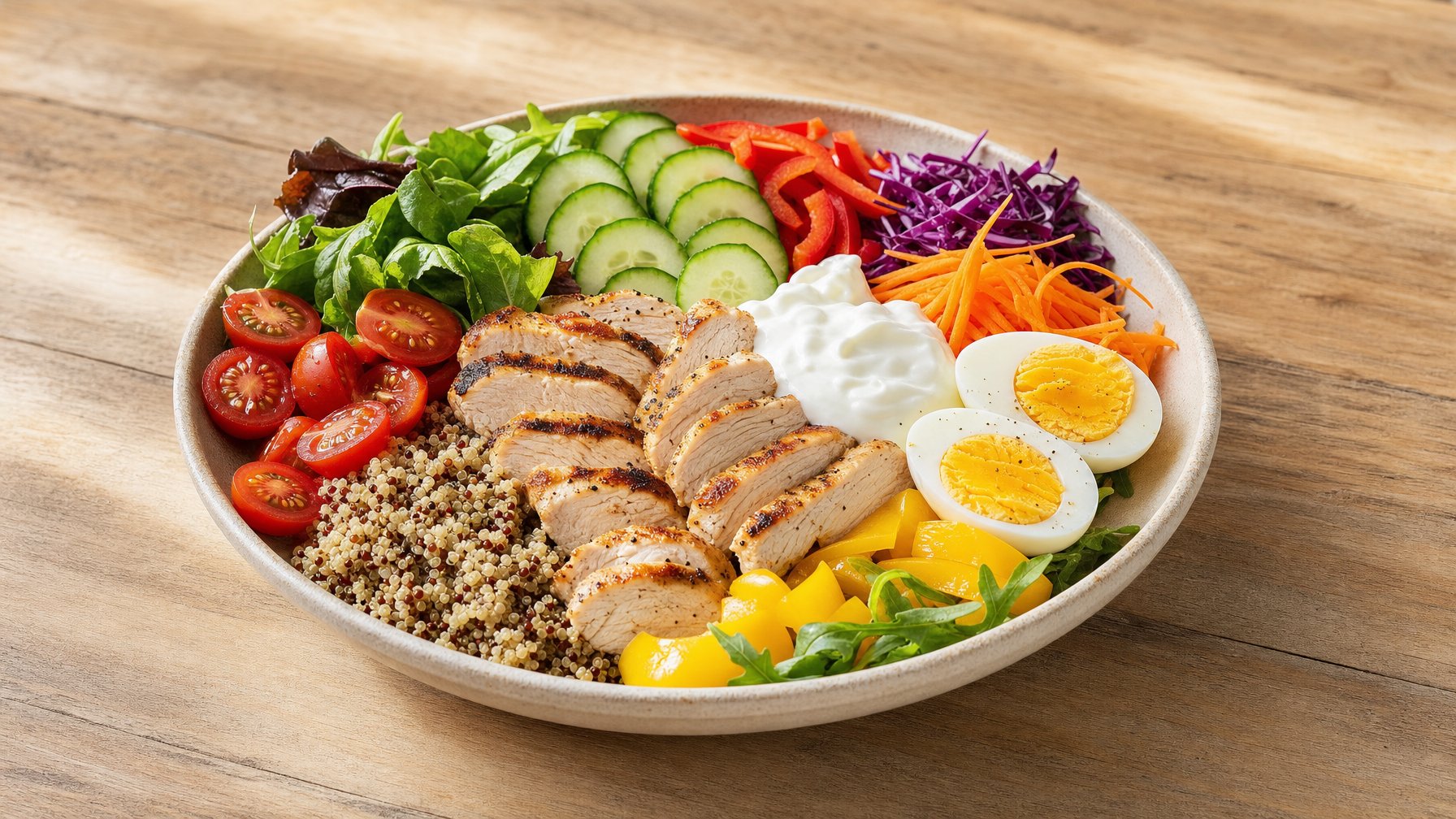
Protein does two useful things at once during weight loss: it keeps hunger manageable between meals, and it helps protect lean mass while the body is in a calorie deficit. That combination is why so many beginners find protein-forward eating easier to stick with than cutting entire food groups.
A practical target for most meals is 25 to 40 grams of protein paired with fiber-rich vegetables and a moderate portion of carbs , a range echoed by nutrition guidance on meal composition and by recipe teams that define a high-protein main as at least 30 grams of protein with protein supplying a quarter or more of the meal's calories.
None of this replaces a calorie deficit. Protein makes the deficit more tolerable, which is a different job, and arguably the harder one. A person who feels full at 3 p.m. is far less likely to abandon the plan by Thursday.
Anyone with kidney disease, diabetes, or a history of disordered eating should talk with a clinician before making large shifts in protein intake.
Key Takeaways
- Aim for roughly 25 to 40 grams of protein per meal, built from whole foods you already like eating.
- Pairing protein with fiber and volume from vegetables does more for satiety than protein alone.
- Repeatable meals and simple prep beat a perfect plan you abandon after nine days.
Simple Meal Ideas for Breakfast, Lunch, Dinner, and Snacks
The fastest way to raise protein intake is to fix breakfast first, then build lunches from leftovers. Most people already hit a decent protein number at dinner and fall short at the other two meals, so the ideas below front-load protein where the gap usually sits.
High-Protein Breakfasts That Make Mornings Easier
Eggs remain the most flexible option: three scrambled with spinach and feta lands around 30 grams, and baked egg bites hold four days in the fridge. Hard-boiled eggs made in a Sunday batch cover the mornings when nothing gets cooked.
Greek yogurt and cottage cheese do the work without a stove. A cottage cheese bowl with chia seeds and everything bagel seasoning takes two minutes and delivers close to 29 grams of protein in some versions.
Protein pancakes made with protein powder work well for people who want something warm. A protein shake or protein smoothie counts too, though whole-food breakfasts hold most people longer.
Fast Lunches Built Around Leftovers and Pantry Staples
Rotisserie chicken is the single most useful shortcut in this category. Shred it into a chicken salad with Greek yogurt and dill, pile it over quinoa with cucumber and tzatziki, or fold it into corn tortillas with black beans and cilantro.
Canned tuna deserves more credit than it gets. Tuna salad with avocado instead of mayo, served over greens with cherry tomatoes, comes together in five minutes.
Grilled chicken breast portioned on Sunday, chickpeas tossed with sun-dried tomatoes and parmesan cheese, or a red lentil curry reheated at the desk all clear 25 grams without much effort.
Satisfying Weeknight Dinners Without Plain Chicken and Broccoli
Rotating protein sources is what keeps this sustainable past week three. Baked salmon with roasted potatoes and asparagus, baked cod with brown rice, or shrimp over zucchini noodles all land in the 30 to 40 gram range.
Lean ground turkey works in taco bowls with bell peppers, corn, and cauliflower rice. Flank steak sliced thin over farro and roasted vegetables covers the red-meat nights. Chicken meatballs simmered in tomato sauce reheat better than most things.
For plant-based dinners, marry me white bean soup with kale, lentil soup, or crispy tofu with green beans and sweet potato all hold up. Pork tenderloin and chicken thighs cost less than breast and stay juicier.
Smart Snacks for Closing a Protein Gap
Snacks exist to fill the gap between what the three meals delivered and the daily target. Beef jerky, a single-serve Greek yogurt, a hard-boiled egg with cheddar, or cottage cheese with cherry tomatoes each add 10 to 20 grams.
Roasted chickpeas and edamame handle the plant-based side. Skip the snack entirely if the meals already got you there.
How to Build a Filling Plate That Supports Fat Loss
A filling plate follows a consistent structure: a palm-sized portion of lean protein, half the plate in vegetables, a measured carb, and a small amount of healthy fat. That shape works across cuisines and does not require weighing every ingredient.
Why Protein and Fiber Work Better Together
Protein slows gastric emptying and blunts appetite hormones, while fiber adds bulk and water weight to the meal without calories. Meals combining lean protein at 25 grams or more with viscous fiber at 5 grams or more per serving and low energy density consistently support appetite regulation in clinical studies.
In practice, that looks like chicken with black beans and broccoli, or salmon with lentils and spinach. The protein handles the hormonal signal; the fiber handles the physical one.
How Much Protein Should You Aim for at a Meal?
Most adults do well with 25 to 40 grams of protein per meal, distributed across three or four eating occasions instead of loaded into dinner. Spreading it out gives the body a steadier supply for maintaining lean mass during a deficit.
Larger bodies and people who strength train sit at the upper end. Someone eating 1,500 calories will find 30 grams per meal plus one snack a realistic ceiling.
Choosing Lean Proteins, Produce, Carbs, and Healthy Fats
| Component | Strong choices | Portion cue |
|---|---|---|
| Protein | Chicken breast, chicken thighs, fish, salmon, eggs, lean beef, tofu | Palm-sized, 4 to 6 oz |
| Produce | Broccoli, spinach, bell peppers, green beans, zucchini | Half the plate |
| Carbs | Sweet potato, brown rice, quinoa, lentils, chickpeas | Cupped hand |
| Fats | Avocado, olive oil, nuts | Thumb-sized |
Beans and lentils pull double duty, counting toward both protein and fiber. That makes them the most efficient item on a tight grocery budget.
What Protein Can and Cannot Do for Metabolism and Cravings
Protein carries the highest thermic effect of food among the three macronutrients, meaning the body burns more energy digesting it. The effect is real and modest; it does not override a calorie surplus.
What protein does more noticeably is reduce cravings by keeping blood sugar steadier and hunger signals quieter. Body composition improves mainly because adequate protein plus resistance training preserves lean mass while fat comes off.
Make High-Protein Eating Easier to Repeat
Repeatability comes from prepping components, not full meals. Cooked protein, a grain, and roasted vegetables in separate containers assemble into five different plates without tasting like leftovers by Wednesday.
A Simple Meal Prep Formula for the Week
Cook two proteins, two vegetables, and one carb base each Sunday. A slow cooker handling shredded chicken thighs while a sheet pan roasts broccoli and bell peppers covers most of it in under an hour of active time.
Keep a no-cook backup on hand: rotisserie chicken, canned tuna, Greek yogurt, cottage cheese, and eggs require zero planning. Frozen broccoli and green beans stay usable for months.
Budget-Friendly Protein Swaps
| Swap out | Swap in | Why |
|---|---|---|
| Chicken breast | Chicken thighs | Lower price per pound, harder to overcook |
| Fresh salmon | Canned tuna or frozen white fish | Shelf-stable, comparable protein |
| Ground beef | Lean ground turkey | Similar protein, lower cost per serving |
| Protein bars | Eggs, cottage cheese | Whole food, far cheaper per gram |
Dried lentils, black beans, and chickpeas cost pennies per serving and store indefinitely.
Ways to Adapt Meals for Vegetarian Eating
Tofu, tempeh, lentils, beans, eggs, Greek yogurt, and cottage cheese cover most vegetarian protein needs at 15 to 25 grams per serving. Combining two sources in one meal, lentils with yogurt sauce, for instance, gets a plate to 30 grams.
Plant-based protein tends to come packaged with fiber, which is an advantage for fullness and a reason to increase intake gradually.
Common Mistakes That Make Meals Less Satisfying
Underestimating portions is the most frequent error: a "serving" of chicken is often 3 ounces, not the 6 the plan assumed. Weighing protein for one week recalibrates the eye permanently.
Skipping fat entirely makes meals taste flat and empties the plate of satiety. Relying on shakes and bars for two of three meals leaves the stomach unconvinced.
A Sustainable Pattern Beats a Perfect Meal Plan
High protein meals for weight loss work because they make a calorie deficit livable: satiety improves, cravings quiet down, and lean mass has a better chance of staying put while fat comes off. The mechanics matter less than whether the pattern survives a busy week.
Start with one change. Move breakfast to 30 grams of protein, keep everything else the same, and observe what happens to afternoon hunger over ten days.
Build the rest from meals already in rotation. A person who likes tacos should eat higher-protein tacos, and energy across the day tends to steady out once protein intake stops swinging from 8 grams at breakfast to 50 at dinner.
Frequently Asked Questions
Can you lose weight eating high-protein meals?
Weight loss requires a calorie deficit, and high-protein meals make that deficit easier to maintain by improving satiety and reducing hunger between meals. Protein also helps preserve lean mass during weight loss, so more of what comes off is fat. Individual results vary, and a clinician can help set realistic targets.
How much protein should I eat each day for weight loss?
Many adults aiming for fat loss target roughly 0.7 to 1 gram of protein per pound of goal body weight, spread across three or four meals. Published high-protein plans for women commonly land in the 100 to 130 gram daily range. Anyone with kidney concerns should confirm an appropriate target with a healthcare provider first.
What are simple high-protein meals for weight loss on a budget?
Eggs, canned tuna, cottage cheese, dried lentils, black beans, and chicken thighs deliver the most protein per dollar. A lentil soup, a tuna salad over greens, or shredded chicken thighs with rice and frozen broccoli each cost a fraction of prepared budget-friendly meals. Buying protein in family packs and freezing portions lowers the per-serving cost further.
Can vegetarians eat high-protein meals for weight loss?
Yes, and combining sources is the key to hitting 25 to 30 grams per meal. Tofu, tempeh, lentils, beans, Greek yogurt, cottage cheese, and eggs all work; pairing two of them in one dish closes the gap quickly. The added fiber in plant proteins also supports fullness.
Are high-protein meals helpful for reducing cravings?
Protein-forward meals reduce cravings for most people by steadying blood sugar and keeping appetite hormones quieter for several hours after eating. The effect is strongest when protein is paired with fiber and some fat instead of eaten alone. Sleep and stress influence cravings independently of diet.
How can I meal prep high-protein meals without eating the same food every day?
Prep components separately, then vary the sauce, seasoning, and carb base. The same shredded chicken becomes tacos with cilantro and lime, a Greek bowl with tzatziki and cucumber, or a stir-fry over cauliflower rice. Rotating two proteins per week of meal prep keeps the repetition from setting in.