Walking for Weight Loss: Beginner How-To Guide
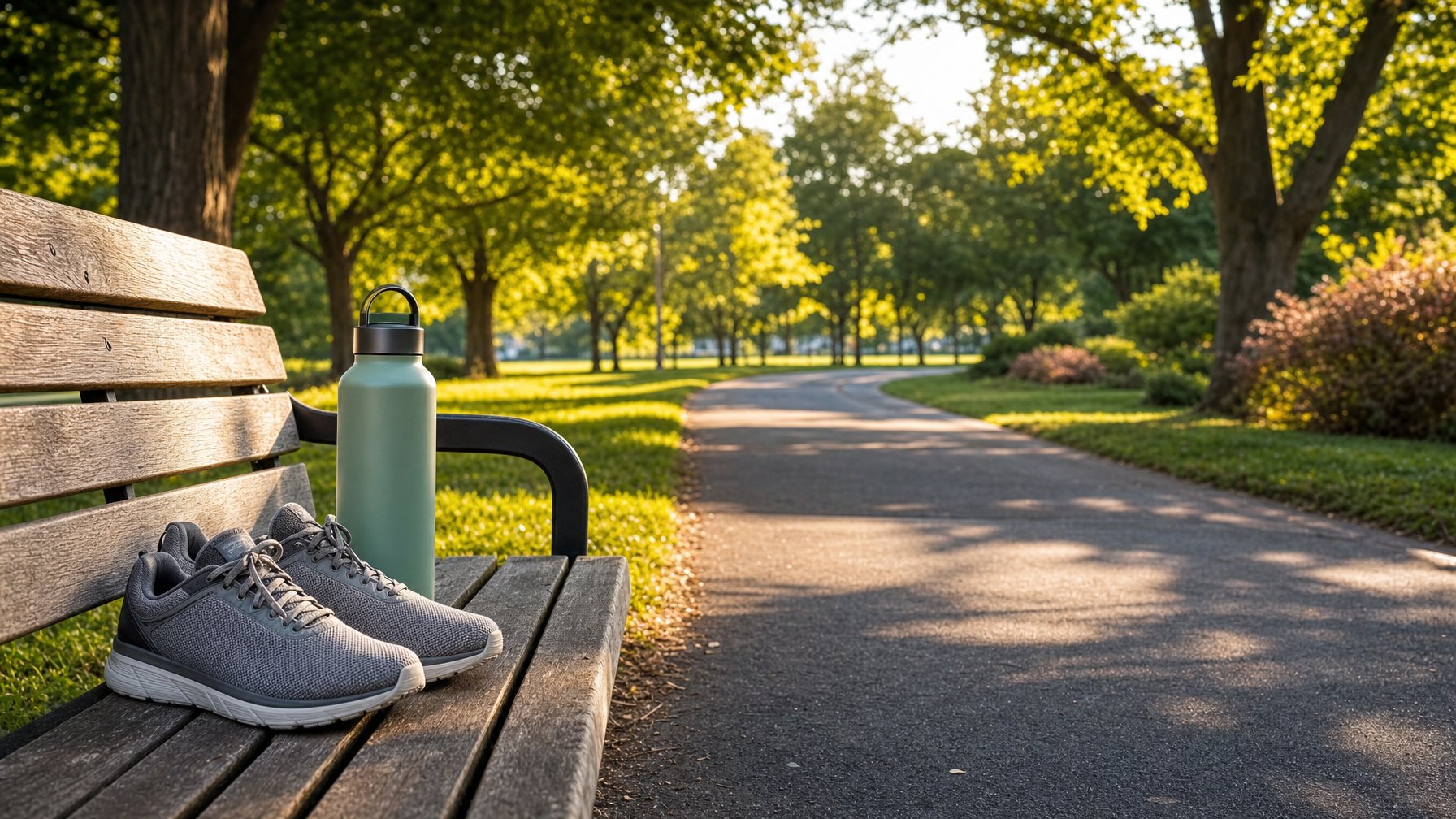
Walking is the rare form of exercise with almost no learning curve, no equipment cost, and the lowest injury rate of any common activity. For someone who has been sedentary, that combination makes it a practical entry point into a weight loss journey without the joint stress or intimidation factor of running or high-intensity training.
Walking supports fat loss by adding calorie burn on top of a modest dietary change, and beginners who pair 15 to 30 minutes of daily walking with a healthy diet can reasonably target 1 to 2 pounds per week. Walking on its own rarely produces dramatic scale changes, though it reliably improves cardiovascular fitness, blood sugar control, and mood while making a calorie deficit easier to sustain.
The plan below starts at 10 minutes a day and builds to a repeatable weekly routine over four weeks. It is educational information, not medical advice, and anyone with a heart condition, joint problem, or a long period of inactivity should get clearance from a clinician before starting.
Key Takeaways
- Walking creates fat loss when it supports a calorie deficit alongside dietary changes, not by itself.
- A four-week ramp from 10-minute daily walks to 30-minute brisk sessions builds the habit before it builds intensity.
- Pace, posture, supportive shoes, and two short strength sessions per week matter more than hitting a specific step number.
Can Walking Help Beginners Lose Weight?
Walking helps beginners lose weight when it is paired with a calorie deficit, and the effect is modest on its own. A structured walking routine also improves cardiovascular health and blood sugar regulation, which is why the Physical Activity Guidelines for Americans recommend 150 to 300 minutes of moderate-intensity activity per week for adults.
How Walking Supports a Calorie Deficit
Fat loss happens when energy out exceeds energy in over time. Walking adds to the "out" side without triggering the compensatory hunger that harder cardio sessions sometimes produce.
A 30-minute brisk walk burns roughly 120 to 200 calories for most adults. Repeated six days a week, that is 720 to 1,200 calories, meaningful when combined with a diet adjustment of a few hundred calories per day.
Walking also raises fat oxidation at moderate intensities and helps blunt cortisol after stressful days, which supports adherence more than it moves the scale directly.
What Affects Walking Calories Burned
Body weight is the single largest variable. A 200-pound person burns close to 50% more per mile than a 135-pound person at the same pace.
| Factor | Effect on calorie burn |
|---|---|
| Body weight | Largest driver; heavier bodies burn more per mile |
| Pace | Brisk (3.0-4.0 mph) burns notably more than a stroll |
| Incline or hills | Adds 20-50% at moderate grades |
| Duration | Linear; twice the time, roughly twice the burn |
| Terrain | Trails, sand, and snow raise cost over pavement |
Fitness tracker and calculator estimates run high, sometimes by 20% or more. Treat any number as a rough guide rather than a budget to eat back.
What Results Can Beginners Realistically Expect?
Expect 0.5 to 2 pounds per week once walking is combined with dietary changes, with the higher end more common in the first month and for people starting at a higher body weight. The Mayo Clinic and the American Heart Association both frame this rate as the sustainable range.
Weight fluctuates daily from water, sodium, and food volume. Weighing once a week under the same conditions gives a clearer signal than daily checks.
Non-scale changes arrive first: walks feel easier by week three, resting heart rate drops, and post-meal energy improves.
Your 4-Week Starter Schedule
This four-week walking plan starts at 10 minutes a day and ends with a 30-minute weekend walk and brisk intervals midweek. Weekly volume increases roughly 10% at a time, the pace of progression that keeps overuse injuries away while still building real aerobic capacity.
Start With Your Baseline Step Count
Track normal daily steps for two or three days without changing anything. Most sedentary American adults land between 3,000 and 5,000 steps per day.
That baseline sets the target. Adding 1,500 to 2,000 daily steps to a personal starting point produces better adherence than jumping straight to a 10,000-step goal.
Week 1: Build a Consistent Walking Habit
The goal is showing up, not distance. Ten minutes a day, six days, at a comfortable conversational pace.
| Day | Walk |
|---|---|
| Mon-Fri | 10 minutes |
| Saturday | 15 minutes |
| Sunday | Rest or gentle stretching |
Walk at the same time each day and lay out shoes the night before. Every session opens with a 2-3 minute warm-up at a slow pace and closes with a 2-3 minute cool-down.
Week 2: Extend Your Comfortable Walks
Add five minutes to each session: 15 minutes Monday through Friday, 20 on Saturday, and either a rest day or a 10-minute easy walk on Sunday.
Pace stays comfortable. Mild muscle soreness in the calves and shins is normal in week two; sharp or persistent pain is a signal to scale back.
Week 3: Introduce Brisk Walking Intervals
Alternate 20-minute and 15-minute days, and add brisk intervals to two of them: two minutes fast, two minutes at normal pace, repeated three or four times.
Use the talk test to calibrate. Full sentences with slight breathlessness is the target zone; only being able to manage a few words means backing off.
Week 4: Create a Repeatable Weekly Routine
Week 4 becomes the new normal: 20 minutes on most weekdays, a 15-minute lighter day midweek, a 30-minute walk on Saturday, and a rest day or short recovery walk Sunday.
Weekly total lands near 130 minutes. Hold here for two to four weeks before adding time, or extend toward the 150-minute guideline by adding five minutes per walk.
How to Make Each Walk Safer and More Effective
Small adjustments to pace, terrain, and footwear produce more measurable change than adding raw step volume. Two short strength sessions per week alongside walking protect lean mass during a deficit, which is what keeps metabolic rate from sliding as weight comes off.
Use Pace and Posture Instead of Chasing Step Targets
Walk tall with the chest open, shoulders relaxed, and eyes about 20 feet ahead. Let the arms swing at the sides with elbows bent near 90 degrees.
Steady-state walking at a brisk pace, where breathing is elevated but conversation is possible, does more for cardiovascular fitness than a longer shuffle at the same step count. Speed is the lever most beginners ignore.
Add Inclines, Hills, or Intervals Gradually
A 3% to 5% treadmill incline raises calorie cost substantially at the same speed and takes some load off the knees compared to walking fast on flat ground. Outdoors, a route with two or three gradual hills achieves the same thing.
Once base fitness is established, Nordic walking with poles recruits the upper body, and rucking with a light weighted pack (start at 10 pounds, no more) increases intensity. Both add stress to the same joints, so introduce one change at a time.
Combine Walking With Simple Strength Training
Walking alone does not preserve lean muscle during weight loss. Two 15-minute bodyweight sessions per week address that.
- Squats or sit-to-stands: 2 sets of 10
- Wall push-ups: 2 sets of 10
- Split squats or step-ups: 2 sets of 8 per leg
- Planks: 2 sets of 20-30 seconds
Progress by adding repetitions before adding load.
Choose Shoes, Routes, and Tracking Tools That Fit Your Life
Supportive walking or running shoes with adequate cushioning prevent most beginner foot and knee complaints. Replace them every 300 to 500 miles; worn midsoles are a common cause of shin pain.
A pedometer, Fitbit, or a free phone app captures trends well enough for a step goal. Apps like MyFitnessPal help with food logging, and structured programs such as a 30-day beginner walking plan or a 12-week walking for weight loss plan give the routine a shape to follow. Carry water on walks over 45 minutes or in heat.
Post-meal walks of 10 to 15 minutes help moderate blood sugar spikes, which is useful for anyone managing diabetes or prediabetes.
Know When to Rest, Scale Back, or Ask a Clinician
Take at least one full rest day per week. Persistent fatigue lasting several days, joint pain that does not resolve overnight, or disrupted sleep are signs to cut duration by a third and rebuild.
Stop and seek care for chest pain, dizziness, or unusual shortness of breath. Anyone taking GLP-1 medications such as Ozempic or Wegovy should discuss activity and protein intake with their prescriber, since rapid weight loss on these drugs increases the risk of lean mass loss.
Build the Routine You Can Keep
The walking habit that produces sustainable weight loss is the one that survives a busy week, bad weather, and a missed day. Four weeks of gradual progression, from 10-minute walks to a 130-minute weekly total with brisk intervals, gets most beginners there.
Pair that routine with dietary changes, two short strength sessions, and one rest day per week. Recovery is when the adaptation happens, and physical activity you can repeat for a year beats a program abandoned in three weeks.
Track weight weekly under consistent conditions, note how the walks feel by week three, and adjust duration or pace from there.
Frequently Asked Questions
How much should a beginner walk each day to lose weight?
Start with 10 to 15 minutes per day and build to 30 to 60 minutes over four to eight weeks. Weight loss follows the total calorie deficit, so pairing that walking volume with a moderate reduction in food intake produces the result.
If I walk 45 minutes a day, how much weight could I lose?
A 45-minute brisk walk burns roughly 180 to 300 calories depending on body weight and pace, which alone equals about half a pound per week. Combined with a 250 to 500 calorie daily dietary reduction, most people see 1 to 2 pounds per week.
Can I lose belly fat by walking?
Walking reduces total body fat, including visceral belly fat, though spot reduction of any single area is not possible. Regular moderate exercise has been shown to lower visceral fat specifically, even when scale weight changes slowly.
Do I need to reach 10,000 steps a day for walking to work?
No. The 10,000-step figure originated from a 1960s Japanese pedometer marketing campaign, and research shows meaningful health benefits starting around 6,000 to 8,000 steps for most adults. Adding 2,000 steps to a personal baseline is a more useful target than a universal number.
Is it better to walk every day or take rest days?
Daily walking at an easy pace is fine for most people, but at least one lighter or full rest day per week helps prevent overuse injuries. Brisk or hill sessions should be spaced with an easier day between them.
Can I follow a walking plan while taking Ozempic or Wegovy?
Walking is compatible with GLP-1 medications and helps preserve lean mass during the rapid weight loss these drugs produce. Discuss the plan with the prescribing clinician, particularly around hydration, protein intake, and any dizziness or low energy during the dose-escalation phase.